
Last updated November 21, 2026
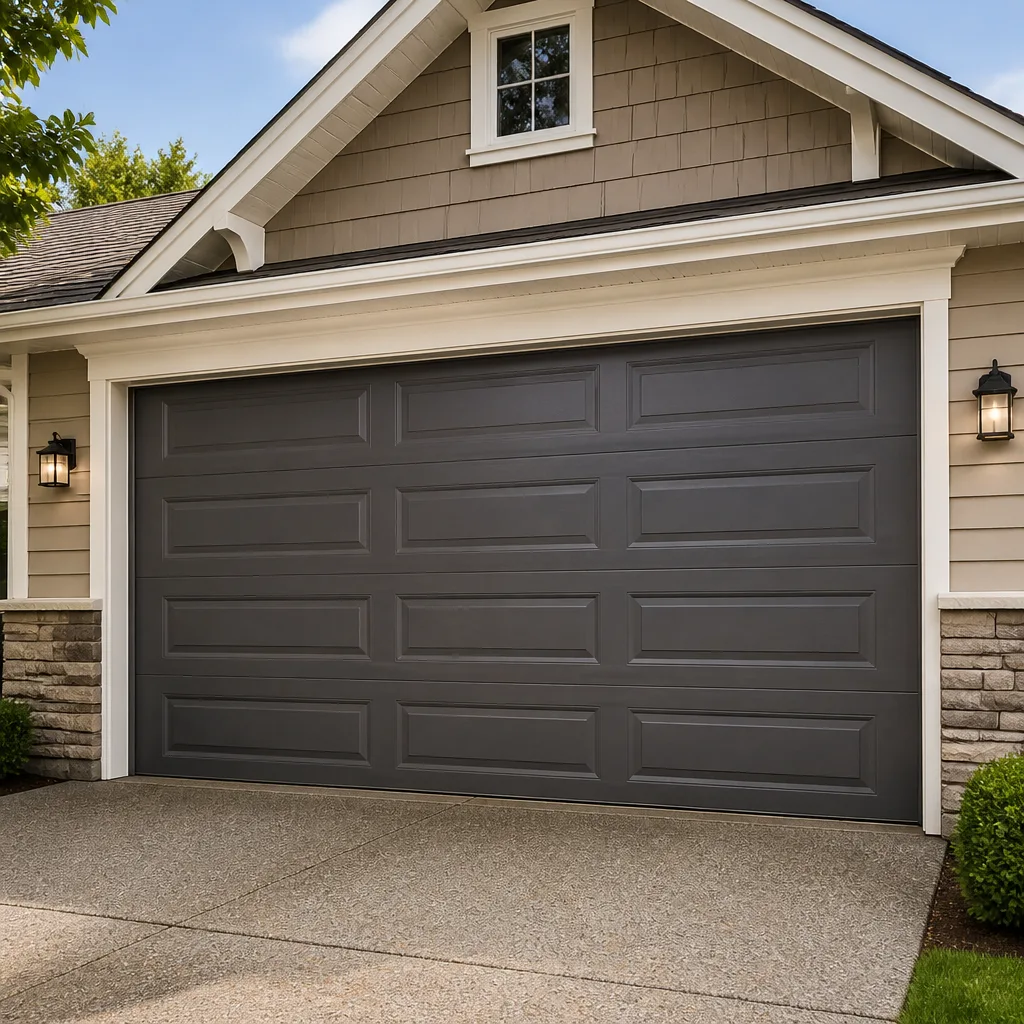 Raised-panel steel
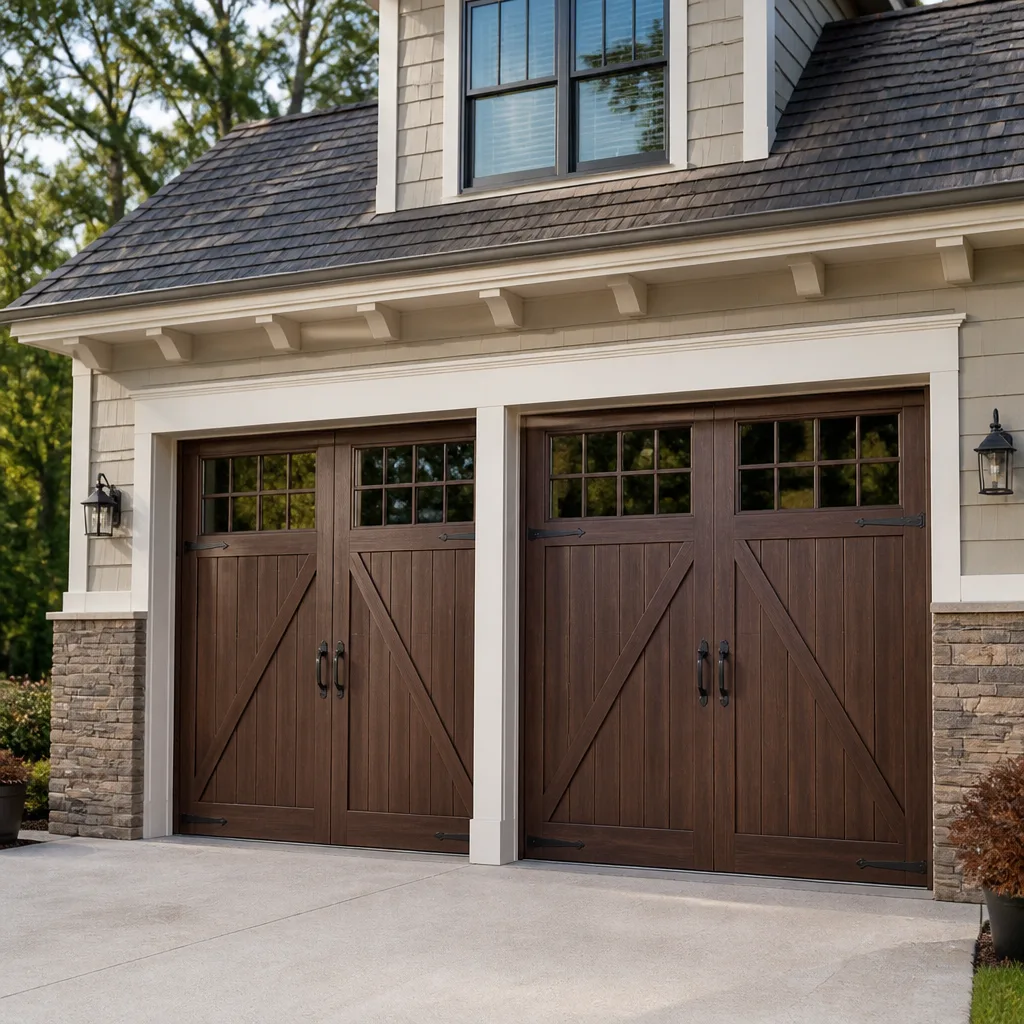 Carriage house
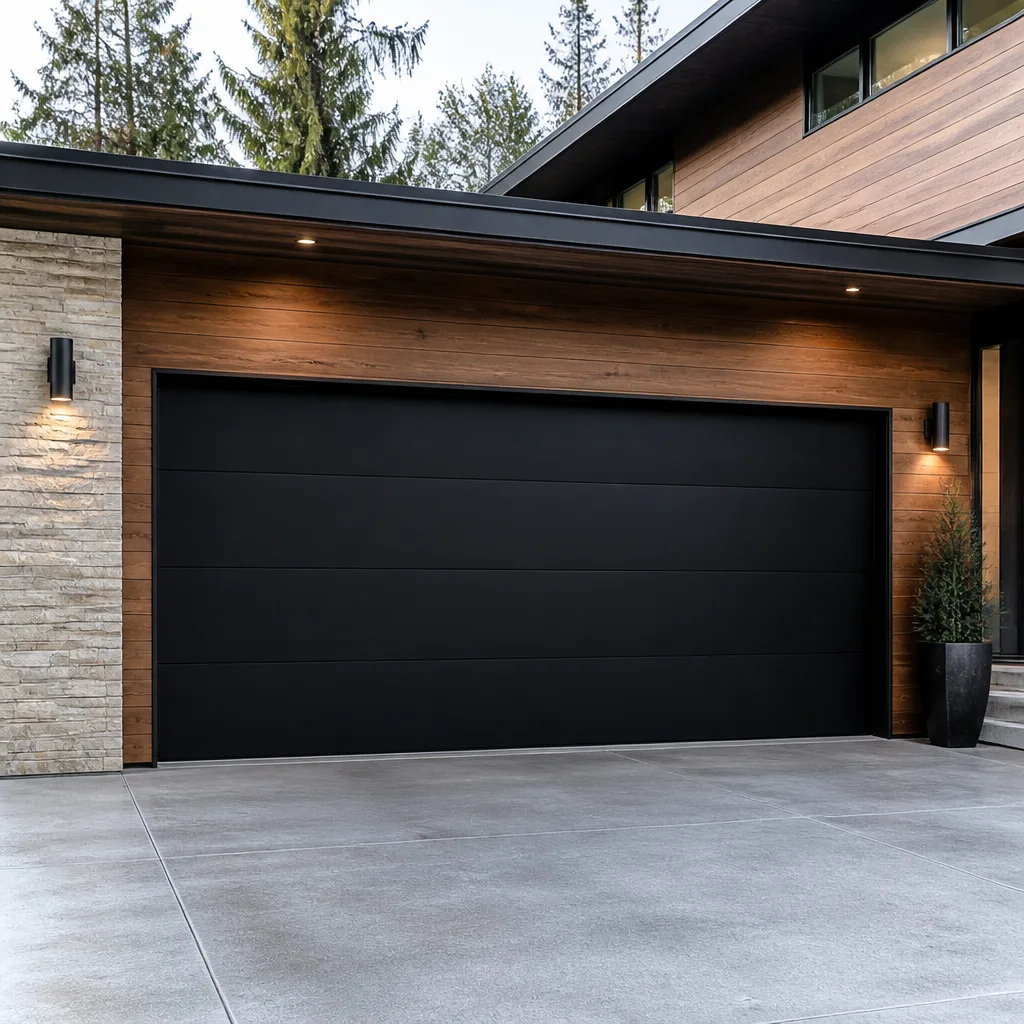 Modern flush
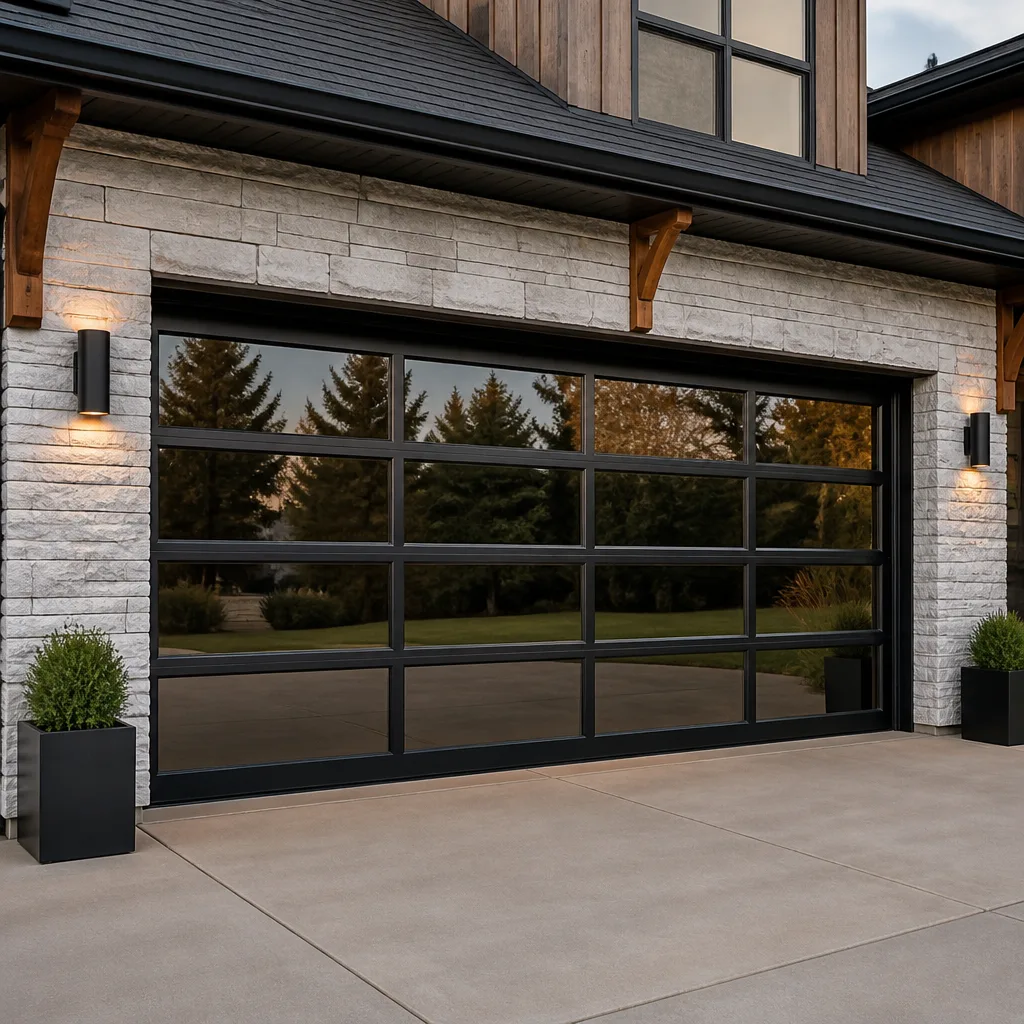 Full-view glass
 LiftMaster openers
 Chamberlain openers
Full 25-point door and opener safety check with every visit - springs, cables, rollers, tracks, and your LiftMaster or Chamberlain opener included
You get a price before we start. It does not change when the pro arrives.
Get your free estimateGarage Door Repair Maintenance Checklist for Poinciana Homeowners
The call that follows a storm in Poinciana is rarely about wind damage. It’s almost always a door that was already one frayed cable or one dry roller away from failing, and the storm just finished the job. That’s the pattern worth understanding: garage doors don’t break because of a single bad day. They break because a handful of small components wore out quietly over months while nothing else pointed at them. Florida humidity accelerates that wear, and most homeowners never look at the parts that matter. This guide gives you a quarterly checklist built around the failures we actually see in Poinciana homes, the components that go first, the tests you can run without touching a spring or a cable, and how to log it all so a buyer’s inspector has something to read.
Quick Answer
A garage door maintenance checklist in Poinciana should be run every 90 days and cover six things: a visual check of springs, cables and drums; a balance test with the opener disengaged; a force-resistance test; lubrication of rollers, hinges and the torsion bar; a weather seal and track inspection; and a written log entry. Springs and cables are inspected, never adjusted. Anything that looks frayed, kinked or stretched gets a trained technician, not a wrench.
Styles & brands we work with
- Raised-panel steel
- Carriage house
- Modern flush
- Full-view glass
- LiftMaster openers
- Chamberlain openers
Table of Contents
- Why Garage Doors Fail in Poinciana’s Climate
- The Components That Degrade Fastest in Florida Humidity
- How to Check Spring and Cable Condition Without Touching Either
- The Balance Test and Force Test Most Homeowners Skip
- What to Lubricate, and What Never to Put on Florida Garage Door Hardware
- The 90-Day Checklist, Step by Step
- Building a Maintenance Log You Can Hand to a Buyer
- Common Mistakes to Avoid
Why Garage Doors Fail in Poinciana’s Climate
Poinciana’s heat and humidity don’t crack a door in half. They change the way every moving part behaves, slowly, in ways you feel before you can see. Rubber seals soften and then take a set. Steel hinges collect condensation on cool mornings and rust from the inside of the knuckle out. Wood or composite door panels on older homes soak up moisture at the bottom edge, swell, and start binding on the frame. None of that shows up on a Tuesday morning when the door still opens.
What you notice first is usually noise or hesitation. A door that used to run clean starts to groan halfway up, or pauses for a beat before it closes. That beat is the opener working harder against a door that’s no longer balanced, or against rollers that have gone flat on one side. Left alone for a season, that extra load heat-soaks the opener motor and strains the springs, and the failing part ends up being something more expensive than what first caused it.
There’s a second local factor: doors on south- and west-facing walls take the most direct sun of the day. That side of the door expands and the paint or finish on it breaks down faster than the shaded side. It’s a normal wear pattern here, not a defect, and it’s exactly the kind of thing a 90-day look catches before it turns into a panel replacement.
Poinciana has a lot of homes where the garage faces the street and gets used as the front door. That means the door cycles more than it would in a house where the family parks in the driveway, and more cycles mean faster wear on springs, rollers and the opener’s drive gear. Cycle count, not calendar age, is what actually wears a garage door out. This is the reasoning behind a quarterly check in Poinciana rather than an annual one.
The Components That Degrade Fastest in Florida Humidity
Humidity doesn’t treat every part equally. It goes after the ones with the most surface area, the thinnest lubricant film, and the most metal-on-metal contact. Here’s the short list, in the order they tend to fail in Poinciana homes.
- Nylon or steel rollers. Steel rollers rust at the bearing and start to drag; nylon rollers can flatten on one edge from sitting loaded against the track. Both show up as a rough, rumbling sound rather than a smooth glide.
- Hinges and the hinge knuckles. Condensation collects inside the knuckle and works outward. The first sign is a squeal on the bottom two hinges, since those carry the most load.
- The torsion bar and springs. Even powder-coated springs pick up surface rust on a humid Florida door, and a rusty coil indicates the metal is fatiguing. Rust on springs is worth a look from a technician, not a wire brush.
- Weather seals and bottom rubber. The bottom seal that meets the driveway takes heat from the slab, UV from the sun, and moisture from the slab edge. It gets brittle, cracks, and stops sealing long before it visibly falls off.
- Cables. Cables stretch slightly over their life; a cable that’s out of tension or fraying at the drum is a safety call, not a maintenance item.
- Opener drive gears and belts. On belt-drive and screw-drive units, the lube dries out and the drive gets louder. This is where openers from Genie, Chamberlain and LiftMaster all show their age in the same way.
- Track and panel bolts. Track brackets loosen as the frame expands and contracts with the daily heat cycle. A rattle that wasn’t there last spring is usually a loose bracket.
Panels themselves (Clopay and Amarr doors in particular have a lot of steel and composite options) hold up well here, but the finish on the sun-facing side is worth checking every quarter. A small paint chip becomes a rust bloom in a Florida summer, and rust bloom means a panel replacement instead of a spot repair.
How to Check Spring and Cable Condition Without Touching Either
Springs and cables are the two parts of a garage door you never adjust, never lubricate to “fix” a problem, and never attempt to remove on your own. A torsion spring under load holds a significant amount of stored energy. If it releases unexpectedly, it can cause serious injury. Any real answer about garage door spring repair starts with that caveat. What you can safely do is inspect them with your eyes and your ears, and then call a technician if anything looks off.
Here’s how to look without touching:
- Find the torsion bar. It’s the horizontal metal shaft above the door, running across the top of the opening. On extension-spring doors (springs running parallel to the tracks), the springs are on the sides instead.
- Look for a visible gap in the coil. A torsion spring that has broken usually shows a clean break somewhere along its length. On extension springs, look for a stretched, deformed length or a spring that’s hanging loose.
- Look for rust bloom. Surface rust on the coil is a sign the spring is fatiguing. Rust concentrated at one spot on the coil is more concerning than a fine powder over the whole spring.
- Look at the cables. The cables run from the bottom corners of the door up to the drums at each end of the torsion bar. Fraying, a birdcage of loose wire, or a cable that’s clearly slack on one side is a stop-and-call situation.
- Listen. A sharp bang from the garage when nobody’s home is the classic sound of a torsion spring letting go. If you hear it, don’t cycle the door again until someone has looked at it.
That’s the limit of the safe inspection. If a spring looks wrong, don’t run the door to “see what happens.” A door with a broken spring can drop, and the opener isn’t rated to hold it. Call a trained technician. Springs are dangerous, so leave it to a trained technician.
The Balance Test and Force Test Most Homeowners Skip
This is the single most useful 60 seconds of garage door maintenance you can do, and almost nobody does it. The balance test (sometimes called the disconnect test) reveals a door that’s lost its spring tension before the spring actually breaks. You don’t touch a spring; you’re just checking the door’s behavior with the operator out of the picture.
- Close the door fully. Make sure nobody is standing under or beside it.
- Pull the manual release cord. It hangs from the opener’s trolley on the rail above the door. That disengages the operator so the door is free to move by hand.
- Lift the door to about halfway and let go. Do not push it. Just hold it at the halfway point and let it go.
- Watch what it does. A balanced door stays roughly where you let go. A door that sags down is losing spring tension. A door that wants to run back up is over-sprung or has the wrong spring on it. Either way, that’s a technician call on garage door spring repair.
- Re-engage the operator. Lift the door a foot and the trolley will re-latch. Or pull the release cord again while the door is in a lifted position, then lower it. Test the door with the wall button to confirm the opener re-engaged.
The force-resistance test is the second one, and it lives on your opener, not on the door. Most openers from LiftMaster, Chamberlain, Genie and Craftsman have a force setting, and most homeowners never check it. If the door takes noticeably more effort to lift by hand than it used to (that’s what the balance test tells you), the opener’s force setting is now working harder to compensate. That’s a warning that a spring is losing tension or a roller is dragging, not a reason to turn the force up. Don’t raise the force setting to hide a mechanical problem. If the door feels heavy by hand, the problem is in the door, and a technician should look at it before the opener’s internal gears are what’s next.
What to Lubricate, and What Never to Put on Florida Garage Door Hardware
The right lubricant on a Florida garage door is a silicone- or lithium-based spray lubricant labeled for garage door hardware. The wrong one (WD-40 as a general-purpose spray, cooking oil, motor oil, or a heavy automotive grease) attracts grit, gums up in the heat, and turns a smooth roller into a grinding one. What you use on your door in Poinciana matters more than most places because the parts are being asked to work in heat and humidity for most of the year.
Here’s what to hit and where to stop:
- Lubricate: the rollers (the bearings on metal rollers, the roller surface on nylon rollers), the hinge pivots, the torsion bar bearings at each end, and the lock on the door if it has one.
- Lightly lubricate: the pivot points on the top of the door and the metal track, if your manufacturer calls for it. Clopay and Amarr door documentation will say which parts want a light film.
- Never lubricate: the torsion springs themselves, the cables, or the opener’s rail if it’s a screw-drive unit (the manufacturer’s lube is specific to that rail). Never use WD-40 as a general spray on the door hardware, and never put grease on the tracks.
- Never lubricate over rust: if a roller or hinge is visibly rusted, a spray won’t fix it. It needs to be replaced, not sprayed.
The mistake we see most in Poinciana isn’t what people put on, it’s what they put on too much of. A light film is right; a heavy coat catches grit from the driveway and turns the roller into a grinding paste. Two short bursts per roller, once a quarter, is plenty. If the door is Clopay or Amarr and the label calls for a specific lubricant, follow the label. If it’s an unfamiliar model, ask before you spray.
The 90-Day Checklist, Step by Step
Quarterly is the right rhythm in Poinciana. It’s often enough to catch a wearing spring or a flattening roller before a failure, and it’s not so often that anyone skips it. Here’s the full checklist, run in order, in about 20 minutes.
- Clear the area and the door path. Nothing under the door, nothing in the track.
- Visual spring and cable check. As described above. Eyeball the torsion spring, the extension springs if you have them, and the runs of cable. Fraying or a gap in the coil means stop and call.
- Run the balance test. Disengage the opener, halfway lift, release. The door should stay roughly put.
- Inspect the tracks. Run a hand (with the door fully open and openers disengaged) along the inside of each track. Watch for a bend, a kink, or a bracket that’s pulled loose from the wood. Don’t try to bend a track straight if it’s badly bent; a trained technician has the right tools and it can easily be corrected.
- Inspect the rollers. Each roller should spin freely with no flat spot and no wobble. Replace any that are cracked, rusted or flat-sided.
- Inspect the weather seal and bottom rubber. Run a hand along the bottom seal: it should be soft, contact the slab, and show no cracks. Cracked or missing pieces mean it’s not keeping the weather out, and that matters for the humidity inside the garage as much as for bugs.
- Lubricate. Light film on the rollers, hinges and torsion bar bearings only. Two short bursts per roller, as above.
- Check the reversing safety. With the door closing, put a piece of wood or a box in its path. The door should reverse on contact. If it doesn’t, that’s an opener adjustment that a technician should make, and it’s a real safety matter, not a maintenance detail.
- Check the photo-eye alignment. On modern openers, the two photo eyes at the bottom of the tracks should have a clear, unobstructed beam between them. Block one and the door should refuse to close.
- Do a full open-and-close cycle and listen. A door that used to be quiet and is now grinding, popping or hesitating has told you which part is next.
- Log the results. Write down what you checked, what looked worn, and what you did. That’s the log entry below.
The brand matters on the opener side. A belt-drive Chamberlain and a chain-drive LiftMaster behave differently as they age, and an older Craftsman unit on a home that’s been in the family for years has different parts from a newer Wi-Fi-connected Genie. Knowing what to listen for on each one is part of the reason a trained technician is worth the call, but the quarterly checklist above is something every Poinciana homeowner can run without any special tools.
Building a Maintenance Log You Can Hand to a Buyer
A maintenance log is a page in a binder, a note in your phone, or a spreadsheet, and it’s the single most useful thing you can hand to the next buyer of a Poinciana home. Garage door inspections by buyers and their inspectors usually go one of two ways: the buyer sees a documented history and moves on, or the buyer sees an unmarked door and asks for a credit or a repair. A running log on one page fixes the second scenario.
What each entry should contain:
- Date and cycle count. Just the date, and roughly how many times the door ran that quarter if you know it (rough is fine).
- What you checked. Springs (visual), cables (visual), balance (passed or failed), tracks (aligned or bent), rollers (good, flat, or replaced), weather seal (sealing or cracked), safety reverse (passed), photo eyes (aligned).
- What you did. Lubricated, replaced a roller, adjusted a bracket, called a technician.
- What you noticed and didn’t fix. A slightly rough roller, a small paint chip on the sun side. This is the note that tells a buyer you were paying attention.
- Any professional visit. What was done and by whom. Keep the written estimate with the log entry. Buyers trust a written record.
Make a template with a row per quarter and print four per year. That’s the whole system. The point isn’t the paperwork, it’s that a maintenance history changes the conversation at inspection time. A door with a log is a door with a story. A door without one is a question mark. The same principle applies to any major system in the house, but the garage door is the one most homes forget about until it fails.
Common Mistakes to Avoid
- Watching the door instead of the equipment. Most failures start on a spring, cable or roller long before the door shows it. A door that “still opens” is not a door that’s fine.
- Touching a spring or cable. Even a loosened set screw on a torsion bar can let a spring unwind. Springs and cables are inspected and reported, never adjusted by a homeowner.
- Raising the opener’s force setting to quiet a noisy door. The opener is doing its job; it’s the door that’s heavy. Raising force hides the symptom and shortens the opener’s life.
- Using the wrong lubricant. WD-40 as a general spray, motor oil, or thick grease all catch grit and cause more friction than they remove. Silicone or lithium spray only, light film, two short bursts per roller.
- Greasing the tracks. Tracks get debris, not lubricant. A wipedown with a dry cloth is enough; a greased track collects grit and binds the rollers.
- Skipping the safety reverse and photo-eye test. These are the two checks that actually protect a person or a pet under the door. They take thirty seconds and they’re the ones most often left out.
- Waiting for the noise. A grinding door is telling you a part is failing now; catching a rough roller or a loosening bracket a quarter earlier is what actual prevention looks like.
See the difference
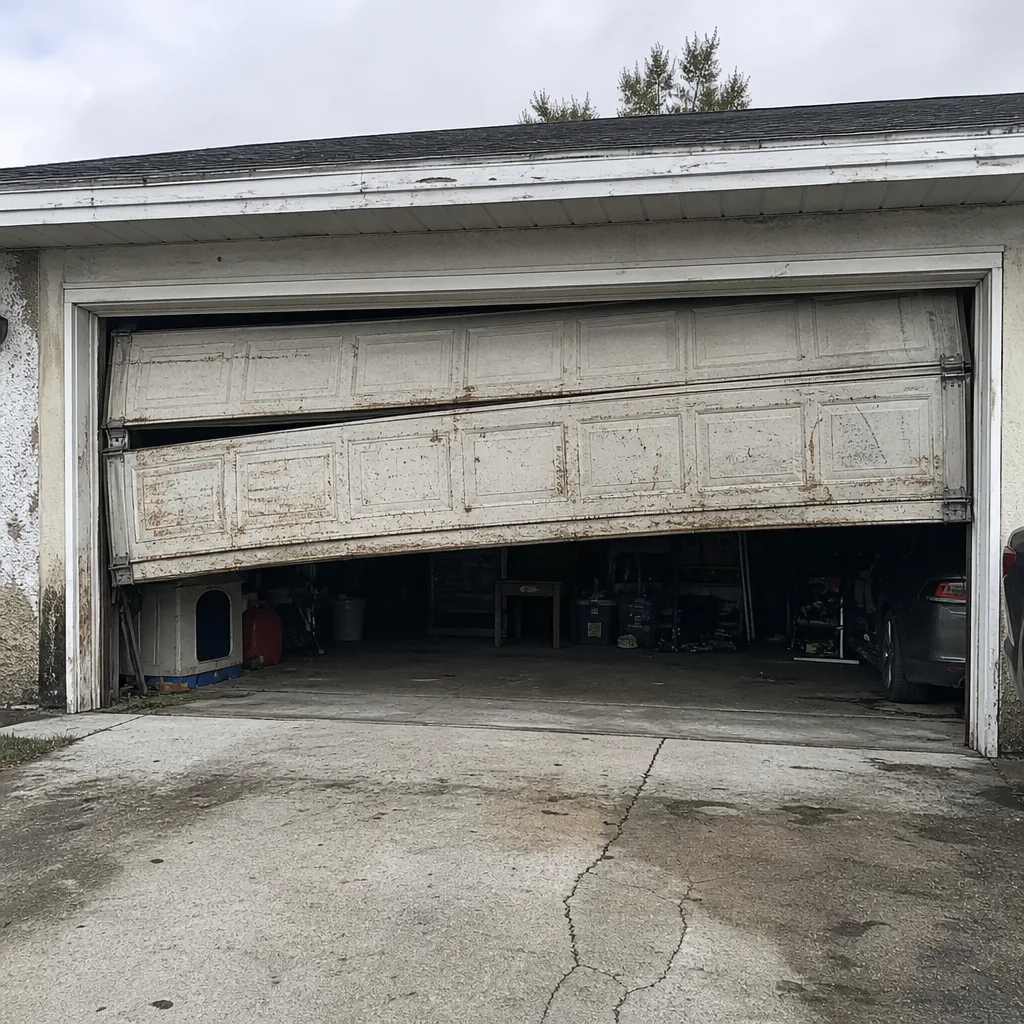 Before
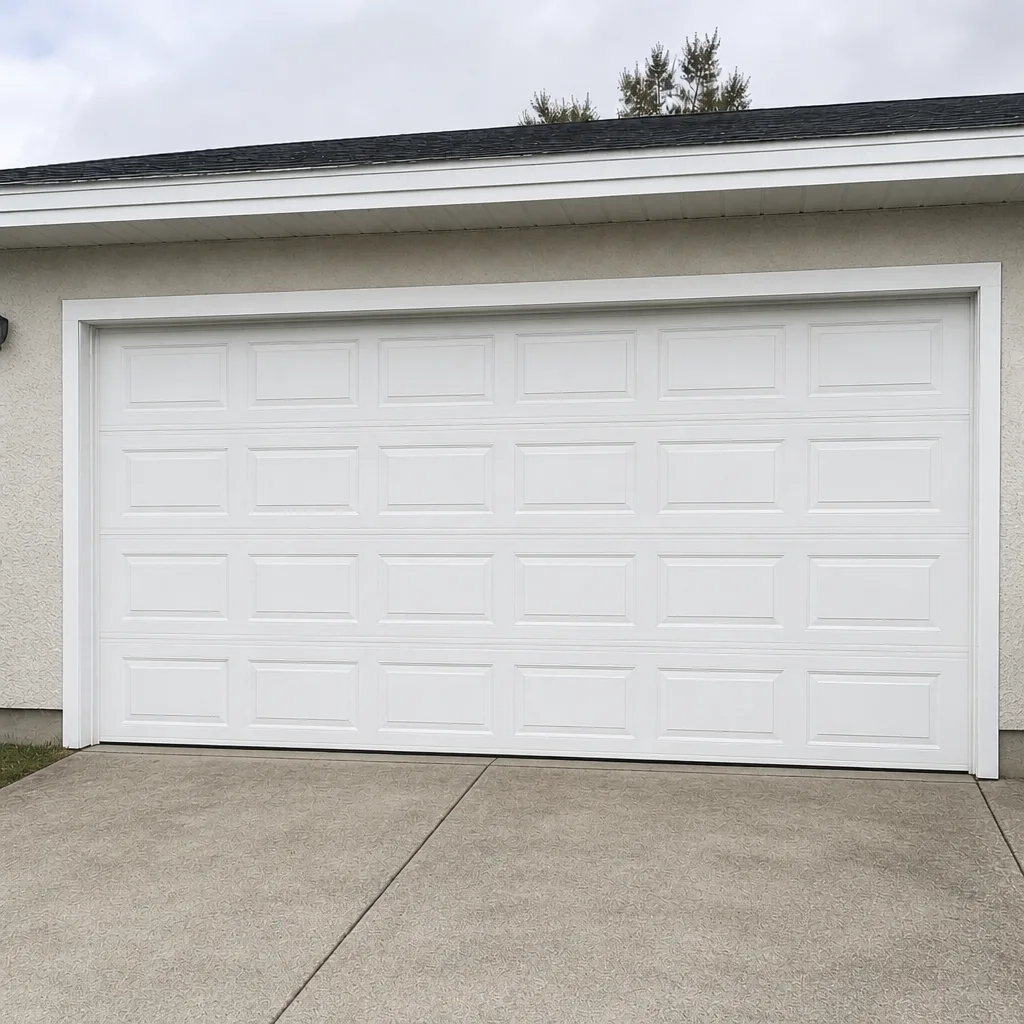 After
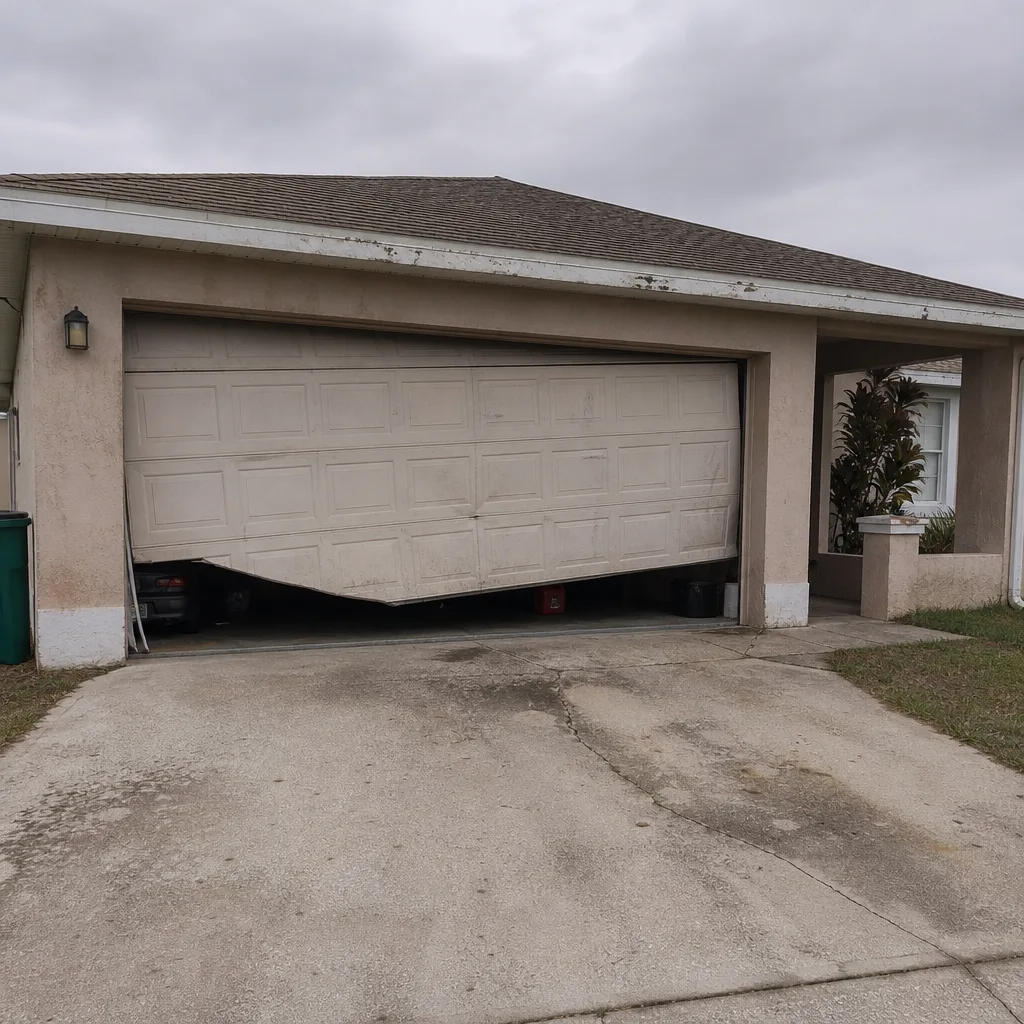 Before
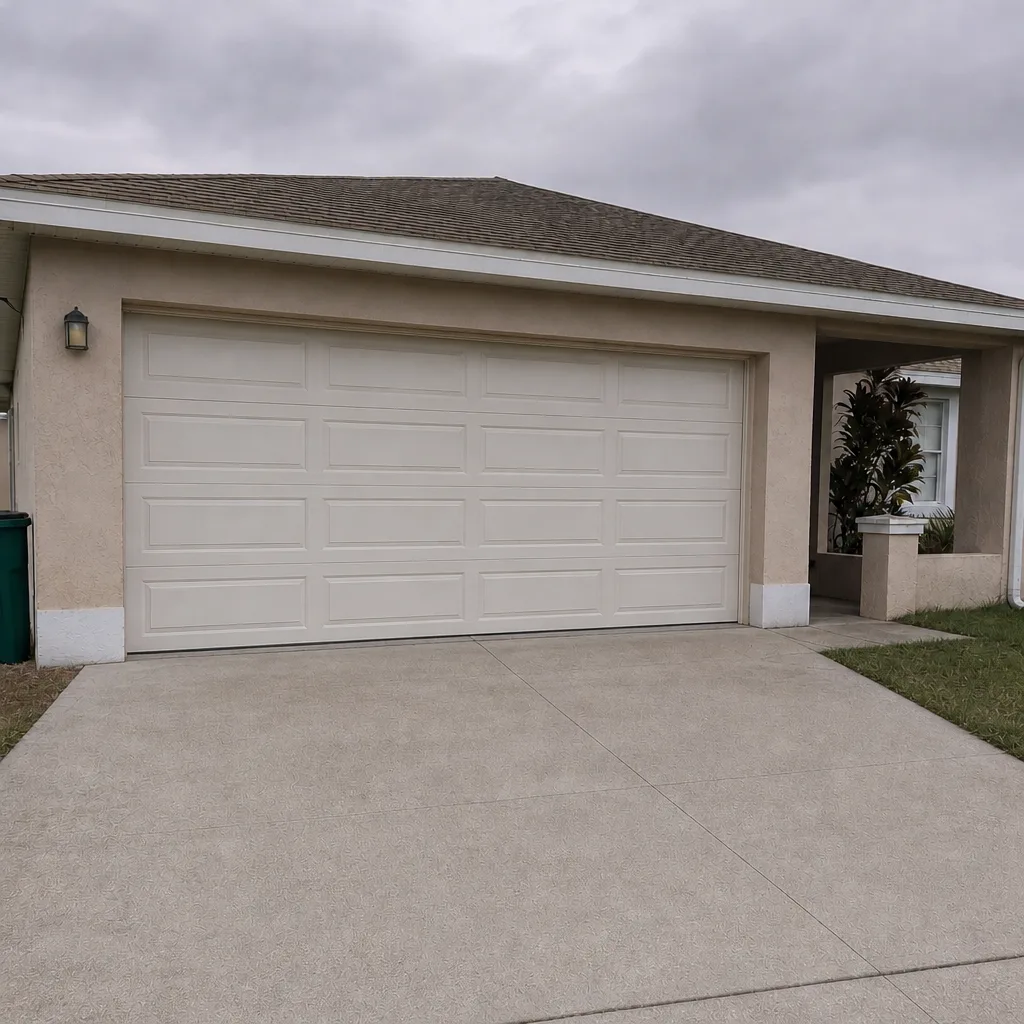 After
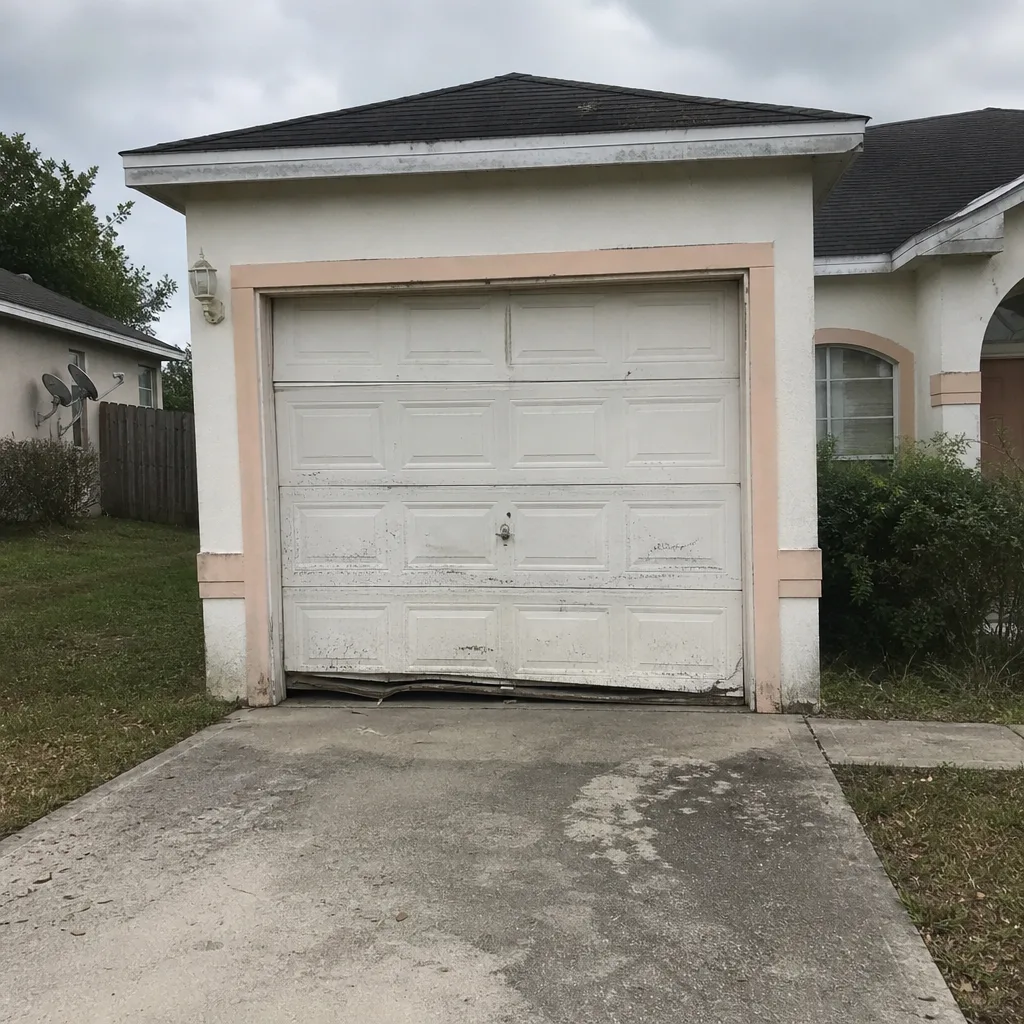 Before
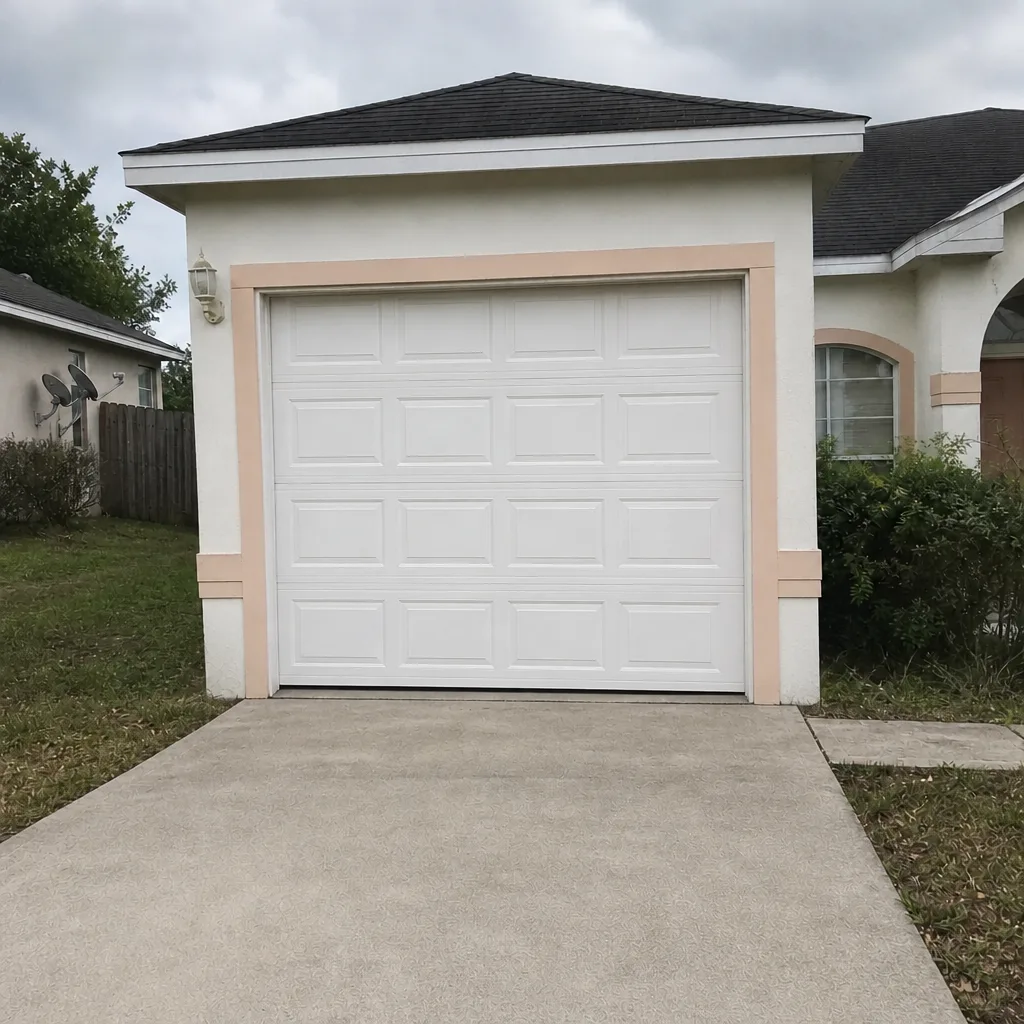 After
When to Call a Professional
Call a technician if any of the following is true: a visible gap or rust bloom on a spring, a fraying cable, a balance test the door fails, a door that reverses on its own, a door that won’t stay open, an opener that runs but the door doesn’t move, a door that has stopped halfway and won’t run, or an opener that just banged once and stopped. For routine garage door repair in Poinciana, Poinciana Garage Door Repair Pros offers free estimates. Our technicians have up to 15 years of experience and work on the equipment already in the home, from LiftMaster and Chamberlain to Genie, Craftsman, Clopay, Amarr, Wayne Dalton and Raynor. If the problem is the operator rather than the door, we handle garage door opener repair as well. Call (866) 890-9418. We answer 24/7. Fast dispatch from 7am to 7pm, Sunday through Friday. Closed Saturday. Emergency service is available for a door stuck open overnight or a broken spring trapping a car. The price is set by the written estimate and agreed before any work starts.
Frequently Asked Questions
Every 90 days is the right interval in Poinciana. Humidity and heat wear rollers, hinges, seals and springs faster than they would in a drier climate, and most failures here show up as a small, visible wear pattern a quarter before they become a breakdown. A quarterly check takes about 20 minutes and catches exactly the parts this climate stresses most. Call (866) 890-9418 for an exact quote if anything on the checklist looks wrong; estimates are free.
Yes, by looking at them, and only by looking at them. You can inspect a torsion spring for a visible gap or rust bloom, and you can inspect the cables for fraying, but you should never touch, adjust or remove either. Springs and cables are under high tension and can cause serious injury. Because springs are dangerous, leave it to a trained technician. Call (866) 890-9418 for a spring inspection and a free estimate.
A silicone- or lithium-based spray lubricant labeled for garage door hardware is what you want, applied as a light film to rollers, hinges and torsion bar bearings. Never use WD-40 as a general spray, motor oil, cooking oil or heavy grease, and never lubricate the springs, cables or tracks. The wrong lubricant attracts grit, and in Florida humidity that grit turns into grinding paste. Call (866) 890-9418 if a roller or hinge is already rusted; that’s a replacement, not a spray.
Yes, and it usually changes how a buyer’s inspector reads the door. A documented log with quarterly entries, what was checked, what was replaced, and the written estimate from any professional visit is a record of a well-kept system. A door with no history reads as a question mark. It costs nothing to keep the log and it takes a moment per quarter. Call (866) 890-9418 if you’d like an inspection to start the log with a baseline.
Only if the balance test fails, the door feels heavy by hand, or you see a worn spring, cable or roller. An opener that runs clean against a balanced door doesn’t need a visit. An opener that’s working noticeably harder against a heavy door does, and the fix is on the door side, not the opener. Don’t raise the force setting as a stopgap. Call (866) 890-9418 for a balance and safety inspection; estimates are free.
One row per quarter, with columns for the date, what was checked (springs, cables, balance, tracks, rollers, weather seal, safety reverse, photo eyes), what you did, and what you noticed. Print four rows per year and keep the binder with the written estimates from any professional visit. It’s a page, not a project. Call (866) 890-9418 if you want a professional visit to start the first row.
The Bottom Line
Garage door maintenance in Poinciana is about catching the small, visible wear patterns before the heat and humidity turn them into a scheduled repair. Run the 90-day checklist. Look at your springs and cables but never touch them. Do the balance test and the force-resistance test that most homeowners skip, and don’t raise the opener’s force setting to hide a heavy door. Use a light film of silicone or lithium lubricant, and keep the log on paper. The right repair, not just a quick fix, starts with knowing what your door is actually doing.
If anything on this checklist reads as a warning, or if the door has gone quieter than usual in a way that feels wrong, call us. Poinciana Garage Door Repair Pros works on the equipment you already own across the major brands, from a legacy Craftsman opener to a Wi-Fi-connected Chamberlain, and we cover everything from a single-spring repair to a new Clopay or Amarr door when a replacement turns out to be the right answer. Call (866) 890-9418 for a free estimate. We answer 24/7. Fast dispatch from 7am to 7pm, Sunday through Friday. Closed Saturday. Emergency service is available, and every job starts with a written price you approve before any work begins.
Learn more about Poinciana Garage Door Repair Pros and the full range of services we connect Poinciana homeowners with.
Written by the team at Poinciana Garage Door Repair Pros.